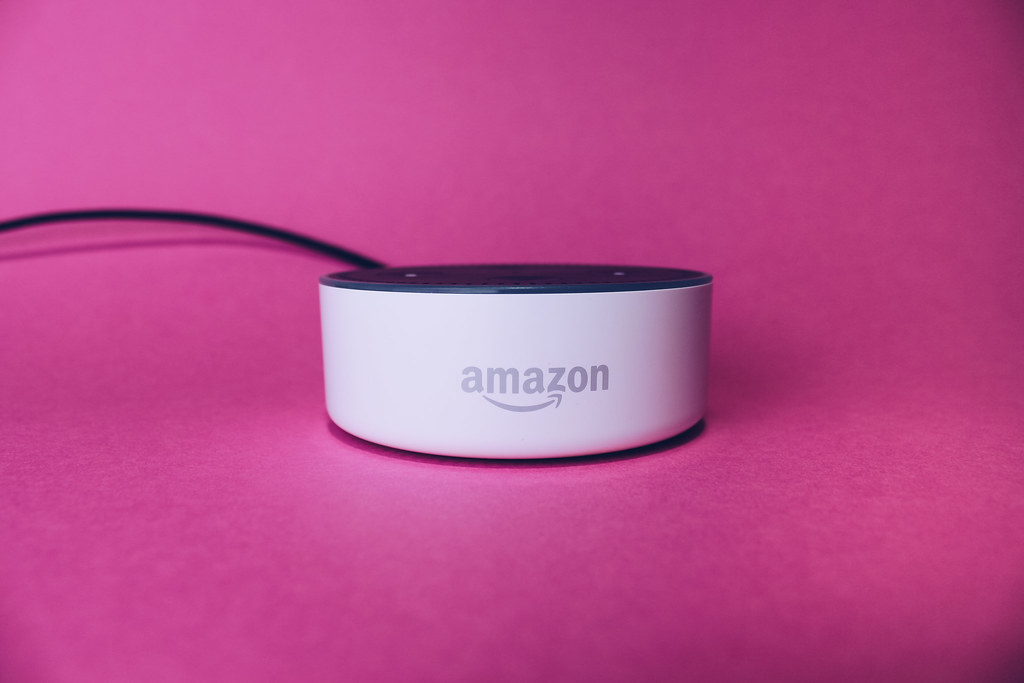
The general-purpose AI assistant market has settled into a small set of mature offerings, plus a long tail of specialized tools. The headline question — 'which one is best?' — is rarely the right question. The better question is which assistant best fits a specific task, and which trade-offs you are willing to accept.
This comparison focuses on the considerations that matter for most US consumers: capability on everyday tasks, factual reliability, privacy, pricing, and the platforms each assistant integrates with. It is intentionally agnostic about brand preference.
What 'general-purpose' actually means
A general-purpose AI assistant is a conversational interface backed by one or more large language models, usually augmented with web search, file handling, and image generation. The assistant's capability depends on the underlying model, the surrounding tools, and the prompts users give it.
Differences between the major assistants on routine tasks — drafting, summarizing, light research — have narrowed substantially. Differences on long-context work, code, and multimodal tasks remain larger and are where most buying decisions are decided.
How to evaluate one honestly
The most useful evaluation is task-based: pick five tasks you actually do — a recurring email, a meeting summary, a code refactor, a research question, an image edit — and run them through each assistant. Note where the output was usable as-is, where it required edits, and where it was wrong in ways you would not have caught.
Public benchmarks are useful as a coarse filter but are routinely gamed and rarely reflect the tasks individual users care about.
Reliability and hallucination
All current assistants can produce confident, fluent text that is factually wrong. The frequency varies by model and by task, but the failure mode is shared. Assistants that ground responses in cited web search results are easier to verify; assistants that work from training data alone require more skepticism.
Treat AI output as a draft to be checked, not a source to be quoted. For anything that will be published or relied on, verify against a primary source.
Privacy and data handling
Privacy policies for major assistants now generally distinguish between consumer and enterprise tiers. Consumer free tiers often use conversations to improve future models unless the user opts out; paid and enterprise plans typically do not. Read the specific provider's data-use page before pasting sensitive material into any assistant.
Several state privacy laws give consumers rights to access and delete AI conversation logs from providers operating in their state.
Pricing and value
Consumer plans cluster around $20 per month, with free tiers that are good enough for occasional use and family or team plans that bring the per-seat cost down. The honest answer for most users is that one paid assistant covers the vast majority of needs; subscribing to multiple is rarely worth the cost outside of professional workflows.
Capability changes frequently. A comparison written this quarter will not perfectly reflect the assistants in six months. Plan to re-evaluate at least once a year.