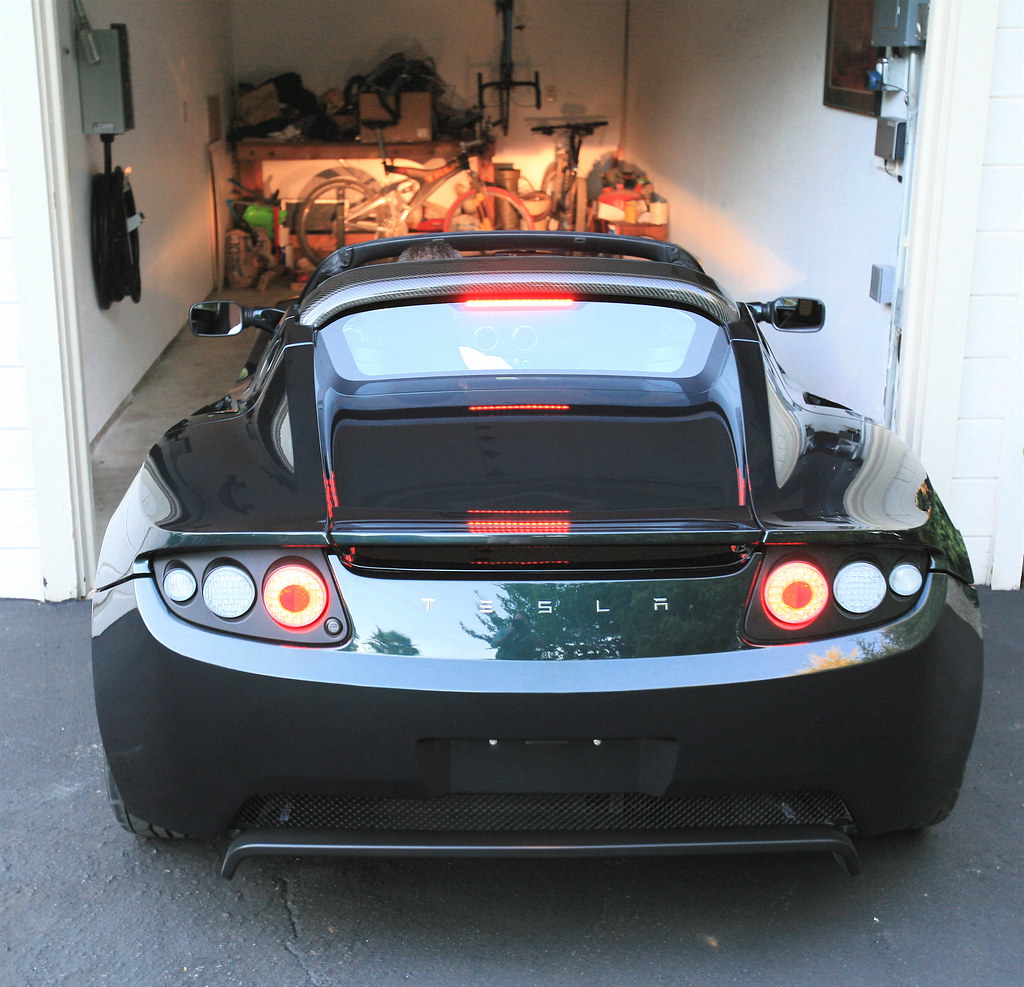
For most EV owners, home charging is the entire reason an EV makes sense. It's cheaper than gasoline almost everywhere, far cheaper than public DC fast charging, and removes range-anxiety for everyday driving. But the install ranges from "plug it in" to "we need to upgrade your panel," and the difference is worth understanding before you sign for the car.
This guide explains the three charging levels, the hardware you actually need, and the electrical questions every homeowner should answer before booking installation.
The three charging levels
Level 1 charging uses a standard 120-volt household outlet and adds roughly 3–5 miles of range per hour. It's plenty for low-mileage drivers (under ~40 miles a day) and ideal for plug-in hybrids, but slow for typical EV use.
Level 2 charging uses a 240-volt circuit (the same voltage as an electric dryer or stove) and adds 20–40 miles per hour for most EVs. This is the default home setup. A typical install includes a dedicated 240V outlet or hardwired charger plus a 40–60 amp circuit.
Level 3 (DC fast charging) is the 150 kW+ equipment at highway charging stations. It is not a residential product — both the hardware and the electrical service required put it out of reach for ordinary homes.
Pick the hardware: portable vs hardwired
Most home Level 2 chargers come in two forms: a unit that plugs into a NEMA 14-50 outlet (also used for RVs and welders) or a hardwired unit attached directly to the electrical panel via conduit. Plug-in units are easier to move if you relocate; hardwired units can support higher amperage and are often required outdoors by the National Electrical Code.
Charging speed is capped by whichever is lower: the charger's amperage, the circuit's amperage, or the car's onboard charger. A 48-amp charger on a 60-amp circuit feeding a car with a 32-amp onboard charger will still charge at 32 amps. The car's specifications determine your real ceiling.
- Charger rated amperage (commonly 32, 40, or 48 A)
- Circuit amperage (typically 40, 50, or 60 A breaker)
- Car's onboard charger limit (32–48 A on most current EVs)
- Connector standard (J1772 on most non-Tesla EVs; NACS rolling out 2025–2026)
The electrical-panel question
Adding a 48-amp charger to a home that already has a 100-amp main panel running an electric stove, central air, and a dryer often exceeds the panel's safe capacity. A qualified electrician will perform a load calculation per the National Electrical Code (NEC Article 220) before quoting the install. If capacity is tight, options include a panel upgrade ($2,000–$5,000+), a service upgrade from the utility (sometimes free, sometimes thousands), or a load-management device that dynamically reduces charger current when other big loads are running.
Load-management ("smart split") devices have made many borderline cases workable without a full panel upgrade. They cost a few hundred dollars and are explicitly addressed in recent NEC updates.
Cost and rebates
A typical Level 2 install with a permit and a qualified electrician runs $800–$2,500 for the hardware and labor when the existing panel can handle it. Costs rise quickly when trenching, long runs, or panel upgrades are required. The federal Alternative Fuel Vehicle Refueling Property Credit (Section 30C) currently provides a 30% credit (up to $1,000 for residential) for chargers installed in eligible areas; many states and utilities offer additional rebates.
Get at least two written quotes from licensed electricians. Quotes vary widely because the install does — the cheapest quote that skipped the panel inspection is rarely the actual cheapest install.
Renters and condo dwellers
If you don't own the parking, home charging is harder. Some apartment buildings and HOAs are installing shared Level 2; "right to charge" laws in California, Colorado, Florida, and several other states limit a landlord's or HOA's ability to deny a reasonable charging request, though the resident usually pays the cost. Workplace charging, where available, is the most common substitute. Drivers who depend on public DC fast charging should compare its per-kWh cost to home charging before buying — DC fast charging at major networks often costs 2–4x what home electricity costs.