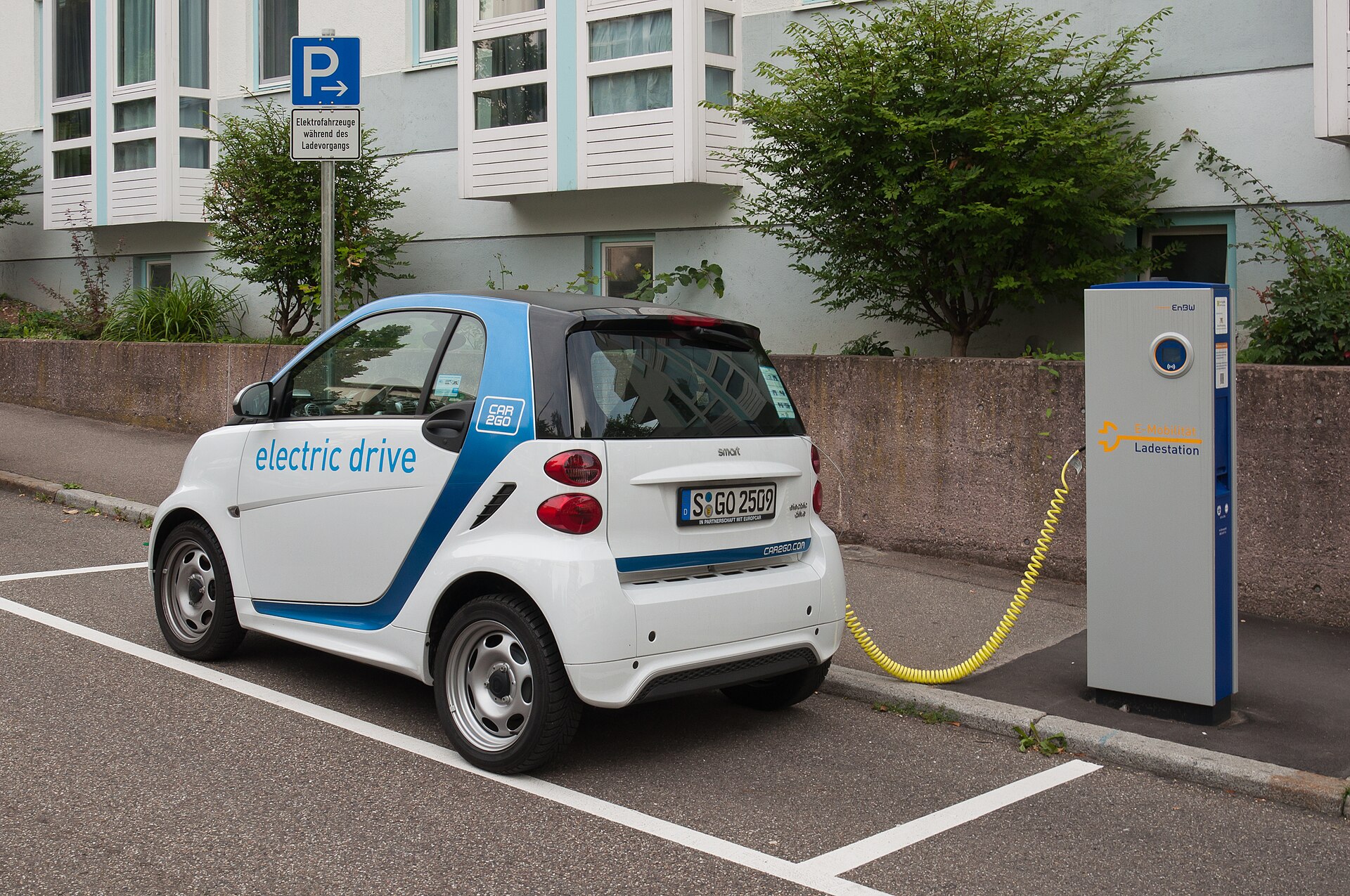
Battery-electric vehicles (BEVs) and hybrids (HEVs and PHEVs) now share showrooms in every major US market, and the right choice depends less on which technology is 'better' and more on how you actually drive. This comparison walks through the trade-offs the way a careful buyer would: total cost, range and charging, maintenance, and the practical edge cases that show up after the test drive.
We assume a typical American household: one or two cars, mostly local driving, a few longer trips per year. The advice changes if you tow heavy loads, live in an apartment without home charging, or routinely drive several hundred miles a day. Those cases are flagged below.
What each powertrain actually is
A battery-electric vehicle is powered only by a battery and electric motor. It plugs in to charge and uses no gasoline. A hybrid (HEV) has a small battery that captures energy during braking and assists a gasoline engine; it does not plug in. A plug-in hybrid (PHEV) is in between: it has a larger battery that can be charged at a wall outlet and typically delivers 20–50 miles of electric-only range before the gasoline engine takes over.
These three categories cover the vast majority of new cars sold in 2026. Fuel-cell vehicles exist but are limited to a few markets and are not covered here.
Up-front and total cost
BEVs still tend to carry a higher sticker price than comparable hybrids, though the gap has narrowed in the mid-size and compact segments. Federal and state incentives can shift the math significantly: the current federal credit and several state rebates apply to specific models with North American assembly and battery-sourcing requirements. Always check the IRS guidance and your state's program before assuming you qualify.
Over a typical seven-year ownership window, BEVs generally win on running costs — fewer moving parts, lower maintenance, and per-mile energy that is cheaper than gasoline in most regions. Hybrids usually win on up-front cost and total cost of ownership when home charging is not available.
Range, charging, and the apartment problem
Most new BEVs in 2026 offer an EPA range of 240 to 330 miles, with premium models exceeding 350. For drivers who can charge at home overnight, that range is comfortably more than a typical day's driving. For drivers who depend on public charging, the picture is different: speed, reliability, and queue times at fast chargers vary significantly by region and network.
Hybrids do not have this constraint. A PHEV in particular can cover most local trips on electricity while behaving like a regular car on road trips. For renters and condo dwellers without dedicated parking, a PHEV is often the most practical electrified option.
Maintenance and reliability
BEVs have fewer wearing parts: no oil changes, no spark plugs, no fuel system. Brake pads tend to last longer because of regenerative braking. The largest long-term unknown is battery replacement, though warranties typically cover 8 years or 100,000 miles, and real-world degradation has been less severe than early forecasts.
Hybrids combine the maintenance of a gasoline engine with the additional complexity of an electric motor and small battery. In practice, modern hybrid systems from established manufacturers have proved durable, but they do not eliminate routine engine maintenance the way a BEV does.
Who should buy what
If you have home charging, drive predominantly within your metro area, and want the lowest running costs, a BEV is usually the strongest option in 2026. If you mix long road trips with daily commuting, regularly tow, or cannot charge at home, a hybrid (HEV or PHEV) gives up less and avoids the charging-access problem entirely.
Buyers who are genuinely unsure should test-drive both, look honestly at where they will plug in, and run the cost numbers on their actual annual mileage rather than the manufacturer's example.
Strengths
- Lower running costs over 5–7 years when charging at home
- Far fewer wearing parts; no oil changes
- Quiet, instant torque; better for stop-and-go driving
- Eligible models may qualify for federal and state credits
Trade-offs
- Higher up-front sticker price than comparable hybrids
- Charging-access dependent; renters and condo dwellers face friction
- Cold-weather range loss of 15–30% is typical
- Long-distance road trips require route planning