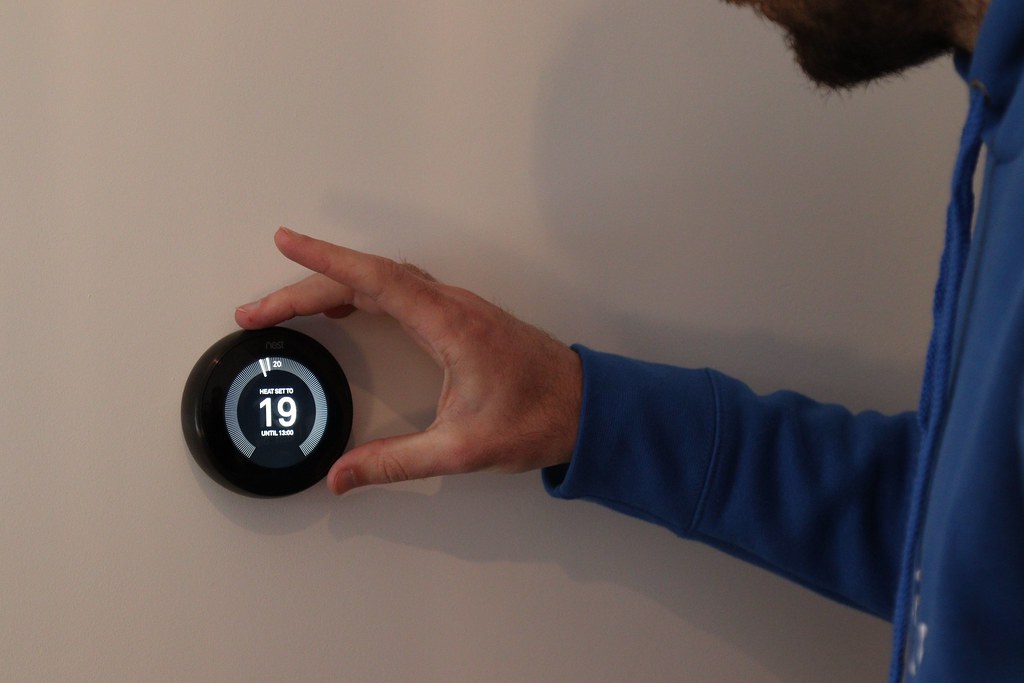
Smart-home device prices are easy to find. The total cost of operating a smart home — subscriptions, replacements, accessories, energy use, and the value of your time — is harder to find. This article pulls the parts together for a typical US household.
The goal is not to talk anyone out of smart-home devices. It is to make the recurring costs visible before they appear on a credit-card statement.
Up-front device cost
A modest starter kit — a smart speaker, two smart bulbs, a video doorbell, and a smart thermostat — costs roughly $300–$500 from major brands in 2026. A whole-home setup with cameras, locks, leak sensors, and a hub easily reaches $1,500–$3,000.
Up-front prices are the headline. They are also the smallest component of total cost for households that stay in the ecosystem for several years.
Subscriptions
Most cameras and doorbells require a subscription for cloud recording and useful features. Plans range from a few dollars per month for a single device to $10–$20 per month for whole-home coverage. Over five years, that adds $300–$1,200 per household.
Some local-recording options exist and avoid subscriptions entirely. They typically require a network video recorder and trade convenience for control.
Replacement and obsolescence
Smart-home devices have meaningfully shorter useful lives than the dumb equivalents. Smart bulbs are largely fine, but doorbells, cameras, and hubs typically need replacement every 4–7 years as manufacturers end software support. Plan for the recurring cost rather than treating each device as a one-time purchase.
Before buying any smart-home product, search for the manufacturer's stated support timeline. Vendors that publish a guaranteed minimum are more trustworthy than those that do not.
Energy and bandwidth
Most modern smart-home devices use very little standby power individually. In aggregate, a fully equipped smart home can add $30–$80 per year to an electricity bill. Constant uplink video adds bandwidth use that matters for households on metered internet plans.
These costs are real but rarely decisive. They are worth including in a complete tally.
The value of your time
The least-discussed smart-home cost is the time you spend maintaining it: firmware updates, re-pairings after Wi-Fi changes, password rotations, and troubleshooting after outages. Households that pick a single ecosystem and stick to it tend to spend less time than households that mix brands.
Time is not a line item, but it is real. Factor it in before adding the tenth device.