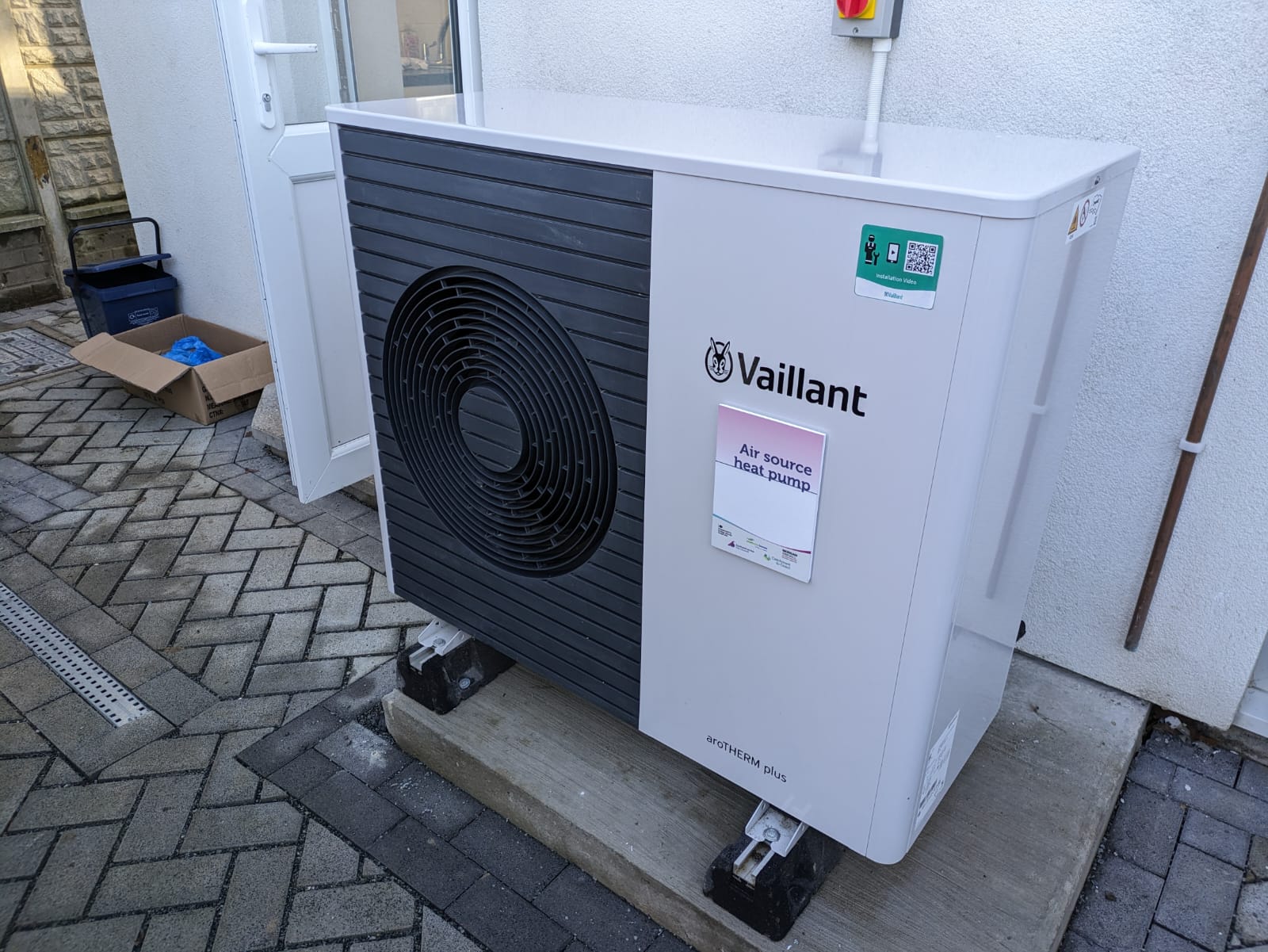
Heat pumps have moved from a regional curiosity to a mainstream option for US heating and cooling. The economics and comfort outcomes are strong in many homes — but the installation matters more than the brand of equipment. A poorly sized or poorly commissioned heat pump performs worse than the furnace it replaced.
This article focuses on the decisions a homeowner makes before equipment is selected: load calculation, contractor selection, and how to evaluate incentives.
Start with a load calculation
A Manual J load calculation determines how much heating and cooling the home actually needs. It is performed by entering the home's construction, insulation, windows, and orientation into industry software. Rule-of-thumb sizing — 'replace what you had' — leads to oversized systems that short-cycle and underperform.
Refuse any quote that does not include a Manual J. The calculation costs the contractor time; reputable installers include it.
Choosing a contractor
Heat pumps are forgiving of equipment choice and intolerant of installation errors. Look for North American Technician Excellence (NATE) certification, manufacturer-specific training, and verifiable references from heat-pump installations done at least two winters ago.
Ask whether the contractor has experience designing for your climate zone. Cold-climate heat pumps are a distinct category and require specific equipment selection.
Equipment selection
For most US climates, a cold-climate variable-speed air-source heat pump is appropriate. Ground-source (geothermal) systems are highly efficient but expensive to install. Mini-split systems make sense in homes without ducts; ducted systems make sense in homes with serviceable existing duct work.
Backup heat is a real consideration. Many cold-climate installations include either electric resistance backup or a remaining fossil-fuel furnace in a 'dual-fuel' configuration.
Incentives and the bill
Federal tax credits under the Inflation Reduction Act remain available for qualifying heat-pump installations. State and utility incentives often layer on top and can change yearly. The DSIRE database and your local utility website are the most reliable sources for current programs.
When comparing quotes, look at the equipment cost and the labor cost separately. Incentives apply differently to each, and the rebate-eligible portion is sometimes lower than the headline number.
What good commissioning looks like
After installation, a competent contractor measures airflow, refrigerant charge, and static pressure, then documents them. This is the difference between a heat pump that performs as advertised and one that is quietly underperforming for a decade.
Ask, at the time you sign, for the commissioning report to be provided in writing once the system is running.