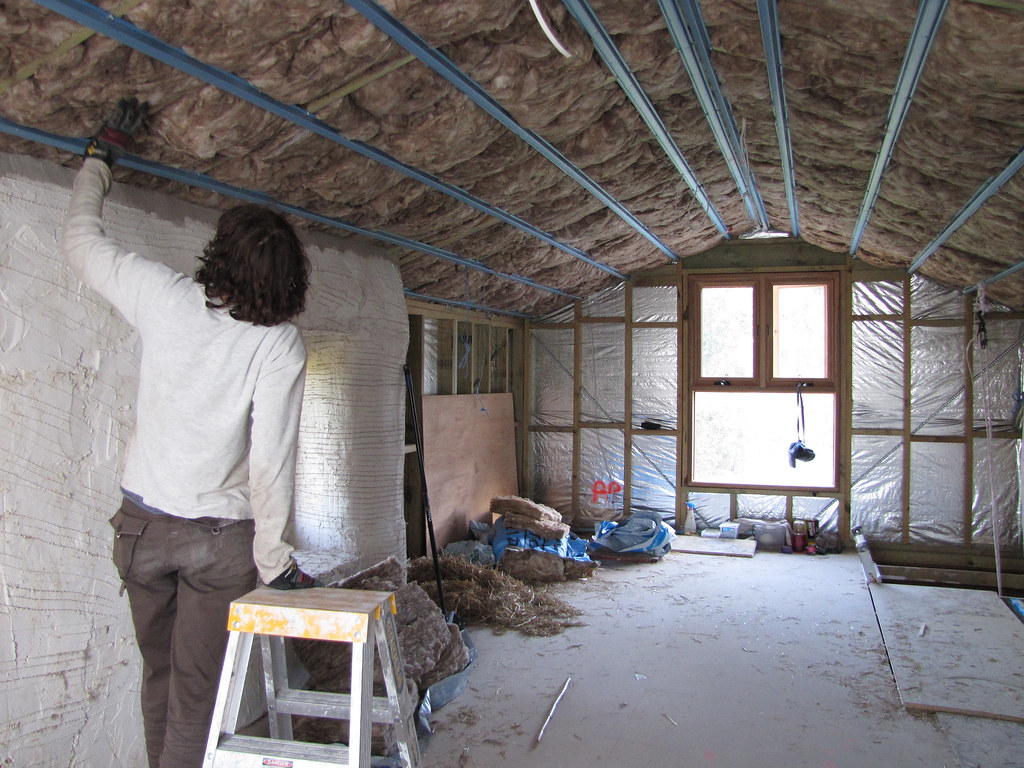
A home energy audit is the most cost-effective first step for almost any household thinking about lower utility bills or electrification. It replaces guesswork — which window leaks, which wall is uninsulated, whether the furnace is sized correctly — with measurements. The Department of Energy and ENERGY STAR both recommend an audit before any major efficiency upgrade.
This guide explains what an auditor actually does, what the deliverable looks like, and how to read the report so the recommendations translate into a sensible order of work.
Who does the audit, and what credentials matter
Professional residential energy audits in the US are most commonly performed by auditors certified by the Building Performance Institute (BPI) or RESNET (which credentials HERS Raters). Both standards require training, a field exam, and continuing education. Many utility programs and federal rebate pathways require a certified auditor for the report to qualify.
Free or low-cost utility "walk-through" audits are useful but less rigorous than a full diagnostic audit. If you're planning real spending, pay for the diagnostic version.
What's actually measured
A diagnostic audit typically combines four kinds of testing: a blower-door test to quantify air leakage in air changes per hour (ACH50), thermal imaging to visualize missing insulation and air pathways, combustion-safety testing on gas appliances, and a review of HVAC equipment efficiency and sizing. The auditor will also inventory insulation, windows, lighting, and major appliances.
The blower-door number is the closest thing to a single objective measurement of the building's tightness. A well-sealed older home might be 5–7 ACH50; a new energy-code home is often under 3; passive-house construction targets under 0.6.
- Blower-door air-leakage test (quantified)
- Infrared thermal imaging
- Combustion-safety check on gas appliances
- HVAC inspection and sizing review
- Insulation, window, and water-heating inventory
Reading the report
A good audit report lists each recommended measure with its estimated cost, projected annual savings, and a payback period. The cheapest measures — air sealing, attic insulation, lower water-heater setpoint, LED conversion — typically pay back in under five years. Window replacement and full HVAC swaps have much longer paybacks and should be considered alongside replacement of equipment that's failing anyway.
The order of operations matters: seal and insulate before sizing new heating equipment, because a tighter envelope often allows a smaller — and cheaper — HVAC system. Auditors trained in BPI's Home Energy Professional standards will explicitly call this out.
Cost, rebates, and tax credits
A diagnostic home energy audit typically costs $250–$700, depending on the home and the region. Under the Inflation Reduction Act, the federal Energy Efficient Home Improvement Credit (Section 25C) currently includes a credit for home energy audits performed by qualified auditors, subject to annual caps. Many state and utility programs also offer rebates or free audits for low- and moderate-income households.
Check the IRS guidance for the current credit terms, your state's energy office, and your utility's program portal before paying. The combined incentives often cover most or all of the audit cost.
What an audit won't do
An audit doesn't fix anything; it tells you what to fix. It also doesn't replace structural assessments for foundation issues, mold remediation, or roofing. If the audit flags moisture in the basement or evidence of past water damage, that's a separate professional referral.
Finally, savings projections are estimates based on standard assumptions about behavior and weather. Actual savings depend on how you use the house and on rate changes over time.